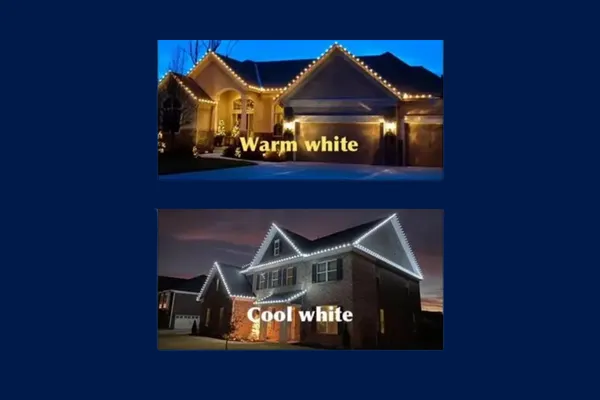
Why Warm White vs Cool White Lights Trigger Different Emotional Responses
When you walk down a street lined with twinkling Christmas lights, you might not realize that the emotional experience you're having is directly influenced by the color temperature of those lights. Two homes on the same block might both have beautiful Christmas displays, yet one fills you with cozy nostalgia while the other feels crisp and contemporary. This isn't a coincidence—it's color psychology at work. The difference between warm white and cool white Christmas lights goes far beyond aesthetics. It fundamentally changes how your brain perceives the display, how it affects your mood, and what kind of holiday atmosphere you create for your home.
Understanding the psychological impact of light color is crucial when planning your Christmas display. Professional installers at companies like Triad Christmas Lights understand these principles deeply, using color psychology strategically to create displays that resonate emotionally with viewers. Whether you're planning your own display or consulting with professionals, understanding why warm white and cool white lights trigger such different responses will help you make choices that align with your vision and values.
The Science Behind Color Temperature
Before we explore the emotional impact, it's important to understand what we mean by warm white and cool white lights. Color temperature is measured in Kelvin (K), a scientific unit that describes how "warm" or "cool" light appears. Warm white lights typically range from 2700K to 3000K, while cool white lights range from 4000K to 6500K.
This isn't just technical jargon—the Kelvin rating directly affects how your eyes and brain perceive the light. Warm white light mimics the color of natural sunlight during golden hour (late afternoon/early evening), while cool white light resembles midday sunlight or even artificial office lighting. Your brain has evolutionary programming that associates different light colors with different times of day and different emotional states.
When you see warm white light, your brain unconsciously registers it as sunset or evening—a time historically associated with safety, gathering, rest, and intimacy. When you see cool white light, your brain registers it as midday or artificial light—times associated with activity, alertness, and clarity. These associations are so deeply ingrained that they trigger physiological and emotional responses before you consciously think about them.
Warm White Lights: The Psychology of Nostalgia and Comfort
Warm white lights are the traditional choice for Christmas decorations, and there's a good reason—they align perfectly with the psychological and emotional associations we want to create during the holidays. When you see warm white Christmas lights, your brain experiences what researchers call the "cozy response."
Warm light triggers the release of serotonin, the neurotransmitter associated with happiness, contentment, and well-being. The color temperature makes you think of candlelit rooms, fireplaces, and intimate gatherings—all the things we emotionally associate with the holiday season. This is why driving through a neighborhood full of warm white lights creates feelings of safety, nostalgia, and belonging. The light literally makes your brain happier.
Additionally, warm white lights connect to childhood memories for most people. If you grew up seeing warm white lights on Christmas trees and neighborhood homes, your brain has decades of positive associations with that color temperature. When you see warm white lights as an adult, those childhood memories resurface, creating powerful nostalgic emotions. This is one reason why warm white lights are particularly effective for creating displays that feel authentically "Christmas-like."
Warm white lights also have a forgiving quality. They soften architectural features, minimize imperfections, and create a romantic, idealized version of reality. This is why professional installers at Triad Christmas Lights often recommend warm white lights for traditional homes, historic neighborhoods, and anyone seeking to create a classic, timeless holiday aesthetic. The light flatters both the home and the viewer's emotions.
The psychological safety associated with warm light also makes it particularly effective in neighborhood settings. When people drive through a neighborhood full of warm white lights, they feel welcomed and safe. The light creates an invitation rather than a statement. This is why neighborhoods with warm white displays attract more visitors and create stronger community connections.
Cool White Lights: The Psychology of Modernity and Clarity
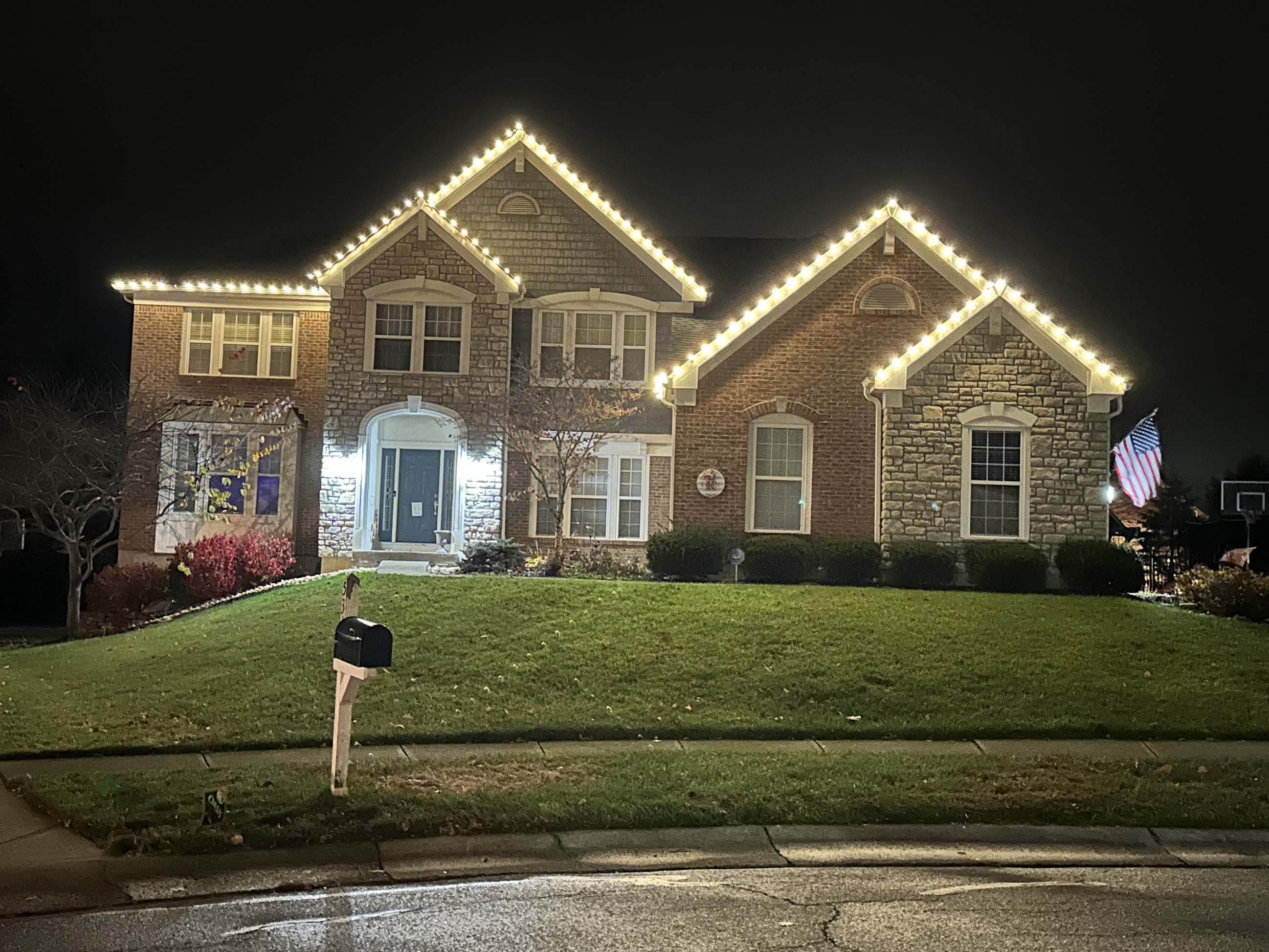
Cool white lights represent a different psychological approach—one that's become increasingly popular as LED technology has made cool white options more affordable and aesthetically refined. While warm white lights evoke nostalgia and tradition, cool white lights trigger associations with innovation, clarity, and contemporary sophistication.
When you see cool white lights, your brain doesn't think of candlelight and fireplaces. Instead, it thinks of modern design, clarity, and artistic intention. Cool white light creates visual precision—every detail becomes visible, every outline becomes sharp. This can be psychologically powerful because it emphasizes intentionality. A display created with cool white lights feels deliberate and designed rather than casually nostalgic.
This clarity also creates a sense of excitement and energy. Cool light triggers different neurological responses than warm light—while warm light encourages relaxation, cool light encourages alertness and engagement. This is why cool white lights are excellent for displays intended to be dynamic, visually striking, or artistically sophisticated. The light itself creates psychological momentum.
Additionally, cool white lights have a democratic quality to them—they don't evoke nostalgia for any particular era or cultural tradition. This makes them perfect for contemporary homes, modern neighborhoods, or anyone creating a display that transcends traditional holiday aesthetics. Cool white lights allow a display to be appreciated purely on its design merits rather than through a filter of nostalgia.
However, cool white lights can also feel impersonal or cold to some people. While this quality appeals to those seeking modern sophistication, it can feel less welcoming to those seeking the emotional comfort of traditional holiday warmth. This is entirely a matter of personal preference and intentional design choice.
Color Psychology and Personal Preferences
Interestingly, people's responses to warm versus cool white lights are deeply personal and influenced by cultural background, childhood experiences, and individual psychology. Research on color psychology demonstrates that while there are general trends in how humans respond to color temperature, individual variation is significant.
Someone who grew up in a modern home with contemporary design sensibilities might feel more emotionally connected to cool white lights than someone raised in a traditional home filled with warm incandescent bulbs. Similarly, cultural traditions influence preferences—cultures with strong nostalgic connections to traditional holidays might strongly prefer warm white, while cultures emphasizing innovation might favor cool white.
This is why professional consultation is valuable. When you work with Triad Christmas Lights for your display design, the consultation process explores not just what looks good, but what feels right to you emotionally. A professional designer understands that choosing between warm white and cool white isn't a simple aesthetic decision—it's a statement about what kind of emotional experience you want to create for yourself and your community.
Warm White vs Cool White: Creating Specific Atmospheres
The choice between warm and cool white lights fundamentally determines the atmosphere your display creates. This goes beyond personal preference—it's about intentional emotional design.
Warm white lights create an atmosphere of:
Nostalgia and tradition
Safety and comfort
Intimacy and gathering
Timelessness and enduring beauty
Welcome and invitation
Cool white lights create an atmosphere of:
Contemporary sophistication
Artistic intention
Innovation and modernity
Clarity and precision
Dynamic energy
Understanding these differences allows you to choose lighting that aligns with your home's architecture, your personal values, and the emotional experience you want to create. A Victorian home generally feels more authentic with warm white lights, while a modern minimalist home might feel more true to itself with cool white lights. But these are guidelines, not rules—the best display is the one that feels right to you.
The Science of Mixed Lighting and Layered Responses
Interestingly, some of the most psychologically sophisticated displays use both warm and cool white lights strategically. A professional designer might use warm white lights for the main residential structure (creating that cozy, inviting feeling) while using cool white accent lighting on landscaping or architectural details (creating visual interest and sophistication). This layered approach triggers multiple emotional responses simultaneously, creating complexity and depth.
This technique requires expertise to execute well, which is one reason professional installation creates more memorable displays than DIY approaches. Triad Christmas Lights understands how to combine warm and cool tones in ways that enhance rather than conflict with each other, creating displays that feel both emotionally resonant and visually sophisticated.

Individual Home Architecture and Light Color Choice
Your home's architectural style should influence your light color choice. Historic or traditional homes generally look more authentic with warm white lights that complement the original design era. Contemporary and modern homes often look more integrated with cool white lights that match the aesthetic vision of their design.
However, context matters too. A contemporary home in a historically traditional neighborhood might use cool white lights for its own structure while respecting neighborhood character. Conversely, a traditional home owned by someone who loves modern design might intentionally choose cool white lights as a statement of personal values.
Professional installers at Triad Christmas Lights consider all these factors during the design consultation. They understand how different light colors interact with architecture, landscape, and neighborhood context. They can show you how different color temperatures would look on your specific home before you make a final decision.
Practical Considerations: Brightness and Visibility
Beyond psychology, there are practical differences between warm and cool white lights. Cool white lights are generally brighter and more visible from greater distances. If you want your display to be visible from blocks away or to create a dramatic visual impact, cool white lights have an advantage.
Warm white lights are less intense and create a more subtle visual effect. This isn't a disadvantage—many people prefer the refined, sophisticated appearance of warm white displays. But it's worth considering if visibility and impact are important to your goals.
The Holiday Season and Emotional Expectations
There's one more psychological factor worth understanding: the holiday season itself creates specific emotional expectations. For most people, Christmas evokes feelings of warmth, nostalgia, and comfort. These emotions align naturally with warm white light, which is one reason warm white remains the most popular choice for Christmas displays despite cool white's growing popularity.
However, this doesn't mean cool white is wrong for Christmas. Many people appreciate the fresh, contemporary feel of cool white holiday lighting, particularly if traditional warm aesthetics don't align with their personal style. The key is making a conscious choice rather than defaulting to tradition simply because it's traditional.
Choosing Your Light Color: A Personal Decision
Ultimately, choosing between warm white and cool white lights is a personal decision that reflects your values, aesthetics, and the emotional experience you want to create. There's no objectively correct choice—only the choice that's right for you and your home.
If you're unsure, consider these questions: What emotional response do you want people to feel when they see your display? Does your home's architecture suggest a particular aesthetic direction? What resonates with your personal style? What kind of holiday atmosphere makes you feel most happy and fulfilled?
Professional consultation can help clarify these questions. When you speak with Triad Christmas Lights about your display, they can help you explore different possibilities and understand how various light colors would actually look on your specific home. This visual and emotional exploration often helps people make choices they feel confident about.

What's the actual difference between warm white and cool white lights in terms of Kelvin temperature?
Warm white lights typically range from 2700K to 3000K and mimic the color of natural sunlight during golden hour. Cool white lights range from 4000K to 6500K and resemble midday sunlight or artificial office lighting. This might seem like a small technical difference, but it significantly affects how your brain perceives and responds to the light emotionally. The Kelvin scale measures color temperature, with lower numbers being warmer and higher numbers being cooler.
Why do warm white lights feel more "Christmas-like" to most people?
Warm white light triggers associations with candlelight, fireplaces, and intimate gatherings—all things we emotionally connect with Christmas. Additionally, for most people, childhood Christmas memories involve warm incandescent lights, so warm white creates powerful nostalgic responses. Warm light also releases serotonin, the happiness neurotransmitter, which creates actual physiological mood improvement. This combination of nostalgia, comfort association, and neurochemical response makes warm white feel inherently "Christmas-like."
Are cool white lights actually less appropriate for Christmas, or is that just tradition?
Cool white lights are perfectly appropriate for Christmas if they align with your personal aesthetic and the emotional experience you want to create. While tradition strongly favors warm white, many people appreciate the contemporary sophistication and clarity of cool white holiday lighting. The "appropriateness" of either choice depends on your personal values and style preferences, not on objective rules about what Christmas should look like.
Can I use both warm white and cool white lights in the same display?
Yes, and when done skillfully, combining warm and cool white lights can create sophisticated, layered displays. A professional designer might use warm white for main structures (creating comfort and welcome) and cool white for accents and landscaping (creating visual interest and sophistication). However, this technique requires expertise—poorly executed mixed lighting can look confused rather than intentional. Triad Christmas Lights specializes in this kind of nuanced design work.
Which light color is better for making my display visible from far away?
Cool white lights are generally brighter and more visible from greater distances. If maximum visibility and dramatic visual impact are your priorities, cool white has an advantage. Warm white lights are more subtle and create a refined appearance rather than maximum impact. Consider what emotional experience you want to create—visibility and brightness aren't the only measures of a successful display.
Does the light color actually affect mood, or is it just psychology?
It's both. Color temperature affects your brain at multiple levels. Warm light triggers neurochemical responses (increased serotonin), creates nostalgic associations that access memory-based emotions, and aligns with evolutionary responses to natural light cycles. Cool light triggers alertness and engagement. These aren't "just psychology"—they're measurable physiological and neurological responses. Your emotional response to light color is real and grounded in biology.
What light color should I choose if I want a modern, contemporary look?
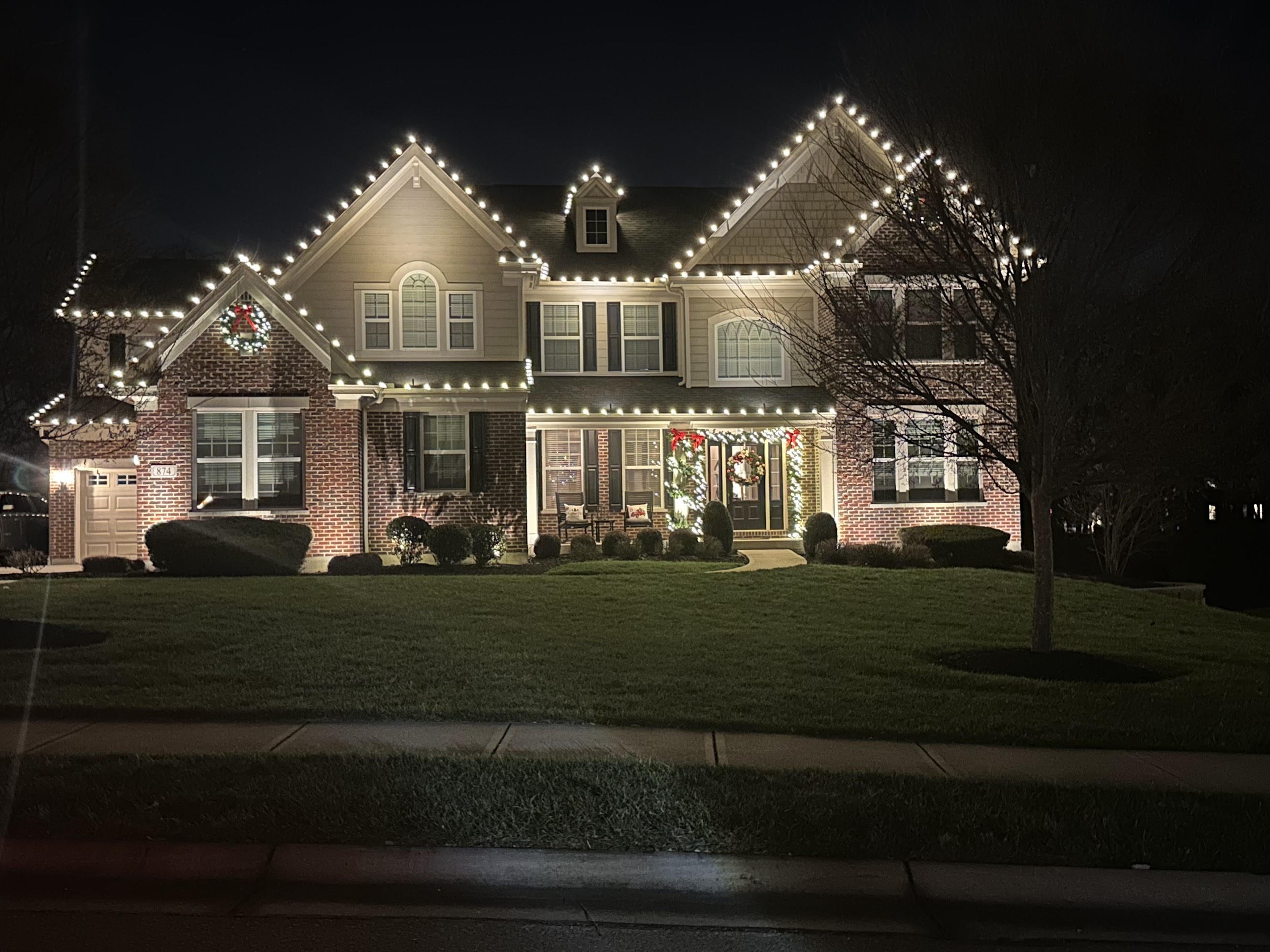
Cool white lights are generally more aligned with contemporary and modern aesthetics. They create clarity, precision, and a feeling of intentional design. However, contemporary style is diverse—some modern design incorporates warm elements for balance. The best choice depends on your specific architectural style and personal preferences. Professional consultation can help you see how different colors would actually look on your particular home.
Will changing from warm white to cool white (or vice versa) significantly change my home's appearance?
Yes, very significantly. The change will be more dramatic than you might expect. Changing from warm to cool white will make your home look more contemporary, sharper, and brighter. Changing from cool to warm will make your home look more inviting, softer, and more romantic. Many homeowners are surprised by how completely light color transforms a display's entire appearance and emotional impact. This is why seeing sample visualizations during professional consultation is valuable.
Is one light color more energy-efficient than the other?
Modern LED lights are equally energy-efficient regardless of color temperature. The Kelvin rating doesn't determine energy consumption—LED technology does. Both warm white and cool white LEDs use about 80% less electricity than incandescent lights. Your choice between them should be based on aesthetic and emotional preferences, not energy efficiency concerns.
How do I decide which light color is right for my home if I'm uncertain?
Start by considering your home's architectural style, your personal aesthetic preferences, and what emotional experience you want to create. Consider your childhood holiday memories and what color temperature resonates with you emotionally. Look at examples of both warm and cool white displays in neighborhoods similar to yours. Most importantly, consult with professionals. When you work with Triad Christmas Lights, their team can show you visualizations of both options on your specific home, helping you make a decision that feels confident and aligned with your vision. Many people find that seeing their actual home with different light colors makes the choice obvious.
