
Summer Planning for Holiday Success: A Homeowner's Timeline
While most people wait until September or October to think about Christmas, savvy homeowners start planning in summer. The difference between a homeowner who starts planning in June versus one who books in November is dramatic: better scheduling flexibility, more design options, lower stress, and displays that are actually installed by December rather than mid-January. This guide walks you through a summer-to-fall timeline that ensures your holiday season is successful, beautiful, and stress-free—whether you eventually choose Triad Christmas Lights or another local professional.
The key to holiday success is understanding that December is the wrong time to plan. By then, professional installers are booked, rush fees apply, and you're making decisions under pressure. Summer planning eliminates this scramble. It gives you months to think, explore options, gather inspiration, and book services on your own timeline. For homeowners working with professionals like Triad Christmas Lights, summer planning is the difference between a seamless experience and stressful last-minute logistics.
June: Gather Inspiration and Dream
June is the perfect month to start thinking about your holiday display, not because you're immediately committing to anything, but because it's the ideal time to gather inspiration without pressure or urgency.
Browse Social Media and Design Inspiration
Spend time on Pinterest, Instagram, and home design sites looking at Christmas light displays. Save images of displays you love. Notice patterns in what appeals to you—do you prefer warm white or cool white lights? Elegant and minimal or bold and elaborate? Professional designs or charming DIY aesthetics? This visual research helps you clarify your preferences before you even talk to a designer.
Follow Christmas lighting accounts on social media. Many professional installers, including Triad Christmas Lights, share their portfolio work throughout the year.
Assess Your Current Display (If You Have One)
If you decorated last year, think about what worked and what didn't. Did your lights last through the season? Were there colors you wish you'd chosen? Did the placement highlight your home's best features or miss the mark? What frustrated you about installation or maintenance? This reflection helps you understand what you want to change or improve.
Walk Your Neighborhood
Drive or walk through your neighborhood and nearby areas during the evening. Look at displays. Notice which homes' light colors complement their architecture. Notice which displays attract your attention and which you overlook. This real-world observation is more valuable than online inspiration because you're seeing displays in the actual context of real neighborhoods and real homes.
Take notes on displays you particularly like. Photograph them if possible (respecting homeowners' privacy). Notice specific details: light placement, color choices, landscape integration, architectural emphasis. This detailed observation becomes invaluable when you eventually talk to a professional designer.
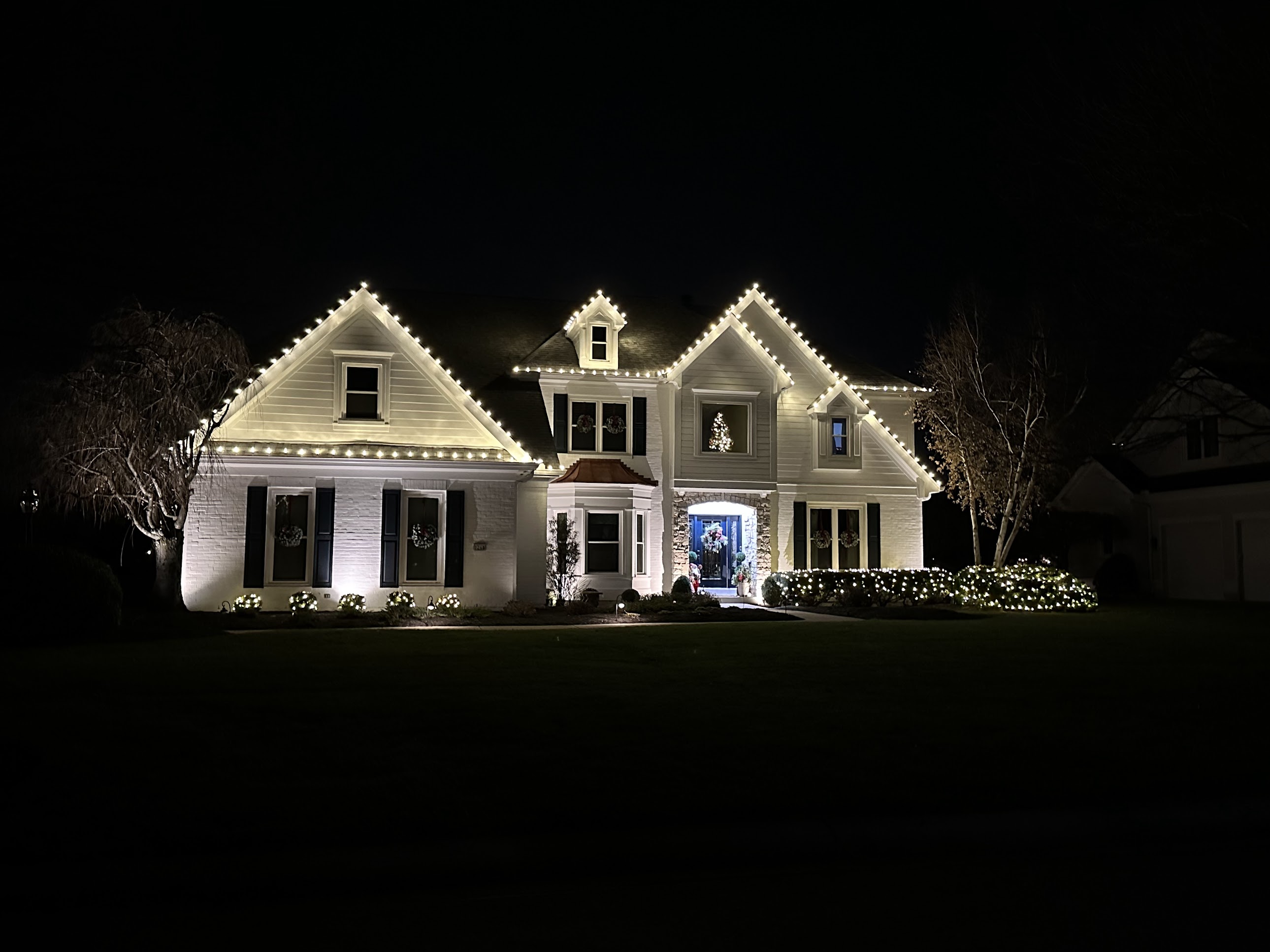
July: Explore Your Specific Home's Potential
July is when you shift from general inspiration to thinking specifically about your home and its possibilities.
Evaluate Your Home's Architecture
Walk around your home at different times of day. Look at its architectural features: rooflines, gables, windows, shutters, columns, landscaping. Notice what you love about your home's appearance. Visualize how lights might enhance these features.
Take photos of your home from the street during evening hours (when lighting will matter). These photos become reference points when you eventually work with a designer. They help you and the designer understand the starting point and context for your display.
Think about your home's style. Is it Victorian, contemporary, traditional, farmhouse, or transitional? Understanding your architectural style helps you anticipate what light colors and design approaches will work best. This is important groundwork that Triad Christmas Lights professionals will explore more deeply during consultation, but thinking about it now clarifies your own vision.
Consider Your Goals and Vision
What do you want your display to accomplish? Do you want it to be visible from the street and attract attention, or do you prefer a more subtle, sophisticated look? Do you want to create a gathering space where neighbors visit, or do you prefer a personal display for your own enjoyment? Do you want to participate in neighborhood light competitions, or simply add beauty to your home?
Your goals influence design decisions. A display intended to be dramatic and attention-getting looks completely different from one intended to be elegant and refined. Understanding your goals helps a professional designer create something that actually aligns with what you want.
Budget Ballpark Thinking
Without committing to anything, think about what you're willing to spend. Are you looking for a modest investment ($1,000-2,000) or a more elaborate display ($5,000+)? Understanding your general budget range helps you have realistic expectations when you eventually consult with professionals. Triad Christmas Lights works with budgets across the spectrum, but knowing your range upfront makes the design process smoother and helps Triad Christmas Lights create custom proposals that fit your needs.

August: Begin Professional Consultation and Planning
August is when inspiration and planning become concrete action. This is the month to contact professional installers and begin the consultation process.
Research and Contact Professional Services
Research professional Christmas light installation companies in your area. Look at their portfolios, read customer reviews, and note which companies you're interested in contacting. Triad Christmas Lights serves Greensboro, Winston-Salem, High Point, Kernersville, and Oak Ridge—if you're in the Triad area, Triad Christmas Lights is a logical choice given their local expertise and understanding of regional climate challenges like NC humidity and occasional ice storms.
When you contact companies like Triad Christmas Lights, mention that you're planning ahead for the holidays. Professional installers appreciate early bookings because it gives them flexibility in scheduling and allows them to allocate resources efficiently. Early planners often get better scheduling options and sometimes access to early-booking advantages when working with Triad Christmas Lights.
Schedule Free Consultations
Most reputable professional services offer free consultations. Schedule consultations with companies you're seriously considering. These consultations serve multiple purposes: they help you understand your home's potential, expose you to professional design thinking, and help you evaluate whether you want to work with that particular company.
During a consultation with Triad Christmas Lights, the designer walks your property, discusses your vision and preferences, answers questions about costs and timelines, and helps you understand what's possible for your specific home. A Triad Christmas Lights consultation is exploratory—you're not committing to anything, just gathering information and expert perspective from one of the Triad's most trusted professional installers.
Come prepared to your consultation. Bring the photos you've taken, the inspiration images you've saved, and answers to questions about your vision, budget, and goals. The more information the designer has, the more valuable the consultation becomes.
Discuss Design Options and Timeline
During consultation, discuss different design approaches. Should lights emphasize rooflines, landscape, or entire properties? What color temperatures work best for your home? What's realistic given your home's architecture and your preferences?
Ask about timeline and installation windows. Understanding when professionals can install displays is crucial for planning. Many installers prefer to install displays in October or early November, but August consultations help clarify specific timing for your property.
Understand Costs and Options
Get clear information about what professional installation costs. Ask about different package options—some companies offer basic installations while others provide comprehensive design, premium materials, and full-season maintenance. Understanding the options and their costs helps you make informed decisions.
Ask about materials. Does the company use quality LED lights? What's the warranty? What happens if something fails mid-season? These practical questions matter and have cost implications. Professional companies like Triad Christmas Lights use quality materials and stand behind their work, but it's worth confirming these details with Triad Christmas Lights or any installer you're considering.
September: Make Decisions and Book Services
By September, consultation and planning should be complete. This is the month to make final decisions and book professional services.
Compare Your Consultation Options
If you've consulted with multiple companies, compare your experiences. Which designer understood your vision best? Which company's communication style resonates with you? Which offered design options that excite you?
Don't choose based solely on price. The cheapest option isn't necessarily the best value. Consider designer expertise, quality of materials, communication style, and how confident you feel that they'll deliver what you want.
Finalize Your Design
Work with your chosen designer to finalize your display design. This might involve reviewing CAD renderings or photos showing how the design will look on your specific home. You might request adjustments or refinements. This collaborative design process ensures the final result aligns with your vision.
Lock in Your Installation Date
Book your installation now. September bookings for October or early November installation are standard. By booking in September, you secure your preferred installation window and avoid November scrambles when installers are at maximum capacity.
Ask about the timeline from booking to installation. Most professionals need a few weeks to order materials (if they're not already in stock) and schedule installation crews. Understanding this timeline helps you anticipate when your display will go up.
Confirm All Details in Writing
Get written confirmation of your design, installation date, cost, included services, and any other relevant details. This documentation protects both you and the installer and prevents misunderstandings as the season approaches.
October: Final Preparations
October is relatively quiet—the heavy planning is done, and installation is imminent.
Prepare Your Property
Clear gutters and remove any obstacles that might impede installation. Trim low-hanging branches that could interfere with light placement. Power wash or clean siding if you want your home looking its best when displays go up.
These preparation steps save installation time and ensure the installer can access all areas of your home efficiently.
Confirm Installation Details
A week or so before your scheduled installation, confirm all details with Triad Christmas Lights or your chosen installer. Confirm the installation date and time window. Confirm that Triad Christmas Lights or your selected team has your design specifications. Ask if there's anything you should prepare or any access issues they should know about.
Make Final Adjustments to Vision
If you've had second thoughts about any design elements, now is the time to communicate changes. Changes become more difficult once installation begins, so finalize your vision before crews arrive at your property.
November and Beyond: Installation and Enjoyment
Your summer planning now pays off. Installation happens smoothly on your scheduled date. Your display goes up beautifully. You're not scrambling in December. You're not dealing with rush fees. You're not stress-planning while overwhelmed with holiday obligations.
By November, you're ready to enjoy your display throughout the season rather than rushing to get something installed before Christmas.
The Value of Preparation
This timeline, followed from June through September, eliminates the stress that typically accompanies holiday decorating. You've had months to think, explore, plan, and make decisions calmly. You've booked with a professional like Triad Christmas Lights when they have capacity and flexibility. Your display is installed when it should be, allowing you to enjoy it throughout the entire season without last-minute scrambling or stress.

Why should I start planning in summer when the holidays are months away?
Summer planning gives you months to think clearly without pressure or urgency. By contrast, November planning happens during peak demand when installers are booked, rush fees apply, and you're making decisions under stress. Summer planning ensures better scheduling flexibility, more design options, and a significantly less stressful experience overall. The difference between early and late planning is dramatic.
What if I'm not sure what I want yet? Should I still start planning in summer?
Yes. Summer is the perfect time to gather inspiration, explore options, and think without pressure. You don't need to know exactly what you want—exploration is the entire point of early planning. By the time you have your summer consultation, you'll have clarity. Starting early means you have time to evolve your thinking rather than rush to a decision.
How much does a professional consultation typically cost?
Most reputable professionals, including Triad Christmas Lights, offer free consultations. There's no cost to explore options, discuss your vision, and understand what's possible. The consultation with Triad Christmas Lights is an investment in making the right choice for your home—both for you and the professional installer.
What if I book in summer but my plans change by fall?
Discuss flexibility when you book. Most professionals allow reasonable design adjustments and date changes if they occur well in advance. That said, booking in summer gives you months to finalize your vision, reducing the likelihood of major changes. Early planning actually reduces the need for last-minute adjustments.
Is there a risk that booking too early means my display might look "old" by the time it's installed?
No. You're not making design decisions in June for November installation—you're gathering inspiration and beginning the design process. Your final design is created closer to installation, incorporating the most current ideas and trends. Early planning doesn't mean early design decisions; it means early consultation and planning time.
What if I can't decide which professional to work with?
Take your time with consultations. You might consult with multiple companies like Triad Christmas Lights (which is why many offer free consultations). Compare your experiences, and choose the designer who best understands your vision and communicates in a way that feels right to you.
Can I change my installation date after I book in summer?
Usually yes, if you provide adequate notice. Discuss flexibility policies when you book. Booking in summer with an October/November installation date gives you months of advance notice if circumstances change. However, changing installation dates last-minute (like in November) becomes more difficult as installers reach peak capacity.
What if the design my consultant proposes isn't what I imagined?
That's why the consultation and design process includes collaboration. You provide feedback, request adjustments, and work with the designer until the final design aligns with your vision. This iterative process happens during summer and early fall—well before installation. You don't commit to installation until you're confident in the design.
Does summer planning mean I'm locked into decisions for months?
Not at all. You're exploring, consulting, and planning during summer and early fall. Your final design is typically finalized in September or early October—just a month or two before installation. This timeline gives you adequate planning without locking you in too far in advance.
