How to Choose Christmas Lights That Complement Your Greensboro Home's Character
Choosing the right Christmas light color isn't just about personal preference—it's about honoring your home's architectural character while creating a display that feels authentic to its design. A light color that looks stunning on a contemporary minimalist home might overwhelm a Victorian mansion, and what's perfect for a rustic farmhouse could clash with a Mediterranean villa. Professional designers at Triad Christmas Lights understand that every architectural style has an optimal light color palette that enhances rather than contradicts the home's existing aesthetic.
The intersection of home architecture and Christmas light color is where design expertise becomes invaluable. When you understand how different colors interact with different architectural styles, you can create displays that don't just look beautiful in isolation—they look like a natural, intentional part of your home's character. This guide explores how to match light colors to home styles, helping you make decisions that feel both aesthetically sound and emotionally satisfying.
Victorian and Historic Homes: The Warmth of Tradition
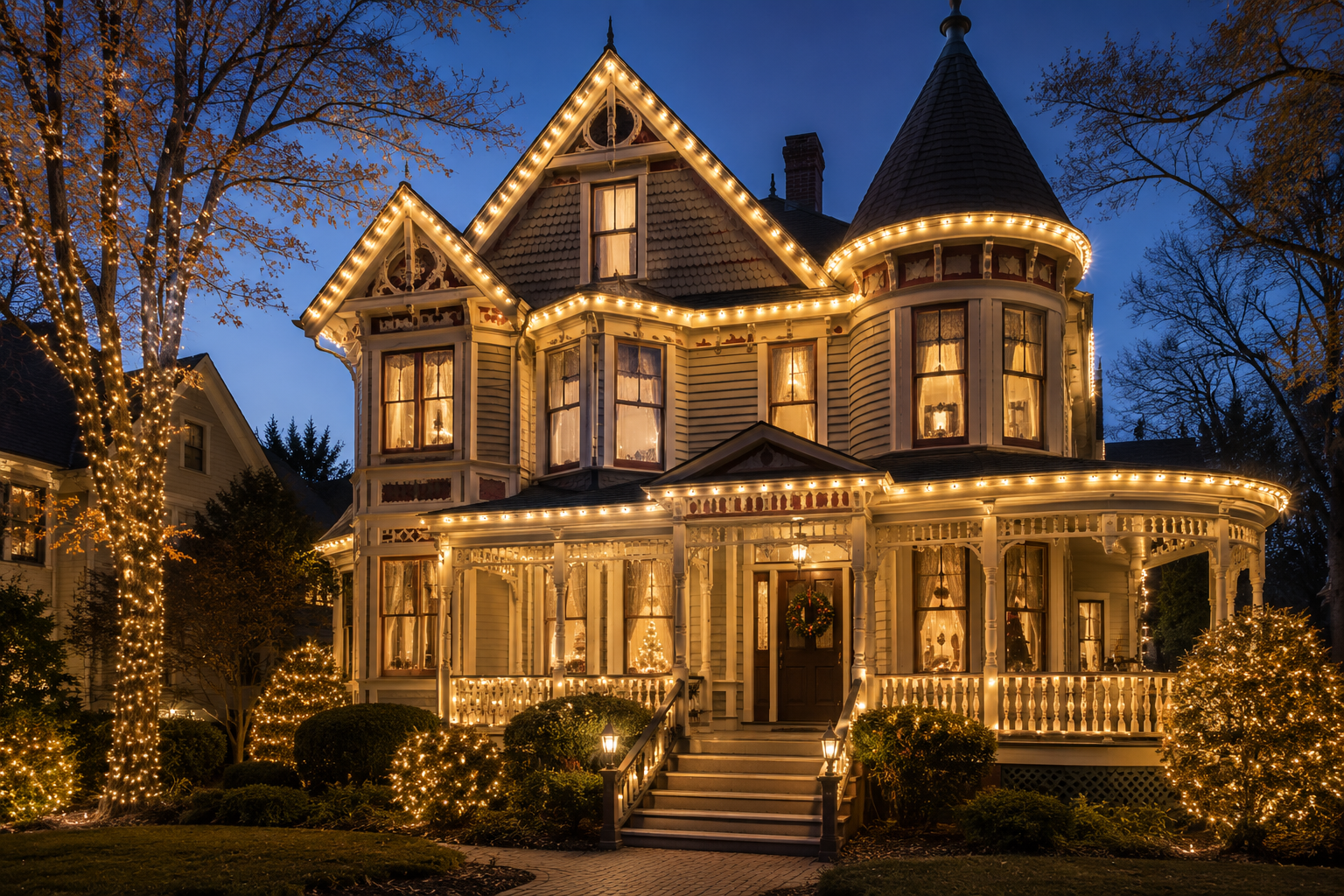
Victorian homes, with their ornate details, elaborate trim, and historical significance, call for light colors that honor their period character. Warm white lights in the 2700K-3000K range are the optimal choice for Victorian and other historic homes. This color temperature complements the home's original design era, when the warmest available light came from gas lamps and early incandescent bulbs.
The reason warm white works so beautifully on Victorian architecture is that it emphasizes the home's ornamental details without harshness. Victorian homes feature intricate woodwork, gables, turrets, and decorative elements that deserve gentle, forgiving light. Cool white lights would create sharp shadows that minimize the visual appeal of these carefully crafted details. Instead, warm white light bathes the home in softness that highlights its beauty while creating the romantic, nostalgic atmosphere that Victorian architecture naturally evokes.
For Victorian homes, Triad Christmas Lights typically recommends focusing on rooflines, wraparound porches, and architectural features like bay windows and gables. The warm light emphasizes these defining characteristics while maintaining the home's authentic historical character. The result is a display that feels like it belongs to the home rather than being imposed upon it.
Traditional and Colonial Homes: Classic Elegance
Traditional and Colonial-style homes represent American architectural heritage and call for light colors that respect that legacy. Warm white lights are the standard choice for these homes, though the specific application matters significantly.
Traditional homes often feature symmetrical facades, shuttered windows, and classical proportions. Warm white light enhances these formal, elegant qualities by creating visual balance and sophistication. The light should emphasize the home's architectural symmetry—perhaps outlining rooflines evenly on both sides, or framing windows and doorways in balanced patterns.
For homeowners seeking a slightly more contemporary approach while maintaining traditional character, a blend of warm white with subtle accents might work. However, the primary light should remain warm white. Professional installers at Triad Christmas Lights understand how to use these accent lights effectively without overwhelming the home's classic character.
Traditional homes in historic neighborhoods benefit particularly from warm white lighting because it contributes to neighborhood cohesion. When multiple homes in a historic district use warm white displays, it creates a unified, intentional aesthetic that strengthens the entire neighborhood's character.
Modern and Contemporary Homes: Clean Lines and Clarity
Modern and contemporary homes represent a different aesthetic philosophy entirely, and their Christmas lighting should reflect this. Cool white lights in the 4000K-6500K range are the ideal choice for contemporary architecture. This light color complements the clean lines, minimalist design, and emphasis on geometric clarity that defines modern homes.
Cool white light emphasizes the architectural geometry of contemporary homes—sharp lines, flat planes, and intentional visual relationships become more pronounced. Rather than softening details like warm light does, cool white light creates precision and visual interest through clarity. A contemporary home with cool white lights looks intentional and sophisticated; the lighting reinforces the architectural vision rather than contradicting it.
For contemporary homes, Triad Christmas Lights often recommends more conceptual, artistic approaches to display design. Cool white lights work beautifully for creating geometric patterns, highlighting architectural features in innovative ways, or creating synchronized, choreographed displays. The light color itself signals that this is intentional design rather than nostalgic tradition.
Contemporary homes in modern neighborhoods particularly benefit from cool white displays because the light color aligns with the neighborhood's overall aesthetic. Cool white light creates visual coherence across contemporary streetscapes while allowing individual homes to express their unique design visions.
Farmhouse and Rustic Homes: Warm Authenticity
Farmhouse and rustic homes occupy an interesting aesthetic space—they're often updated with modern interiors but maintain architectural character rooted in historical practicality. The optimal light color depends on the home's specific style and how heavily it leans toward traditional or contemporary elements.
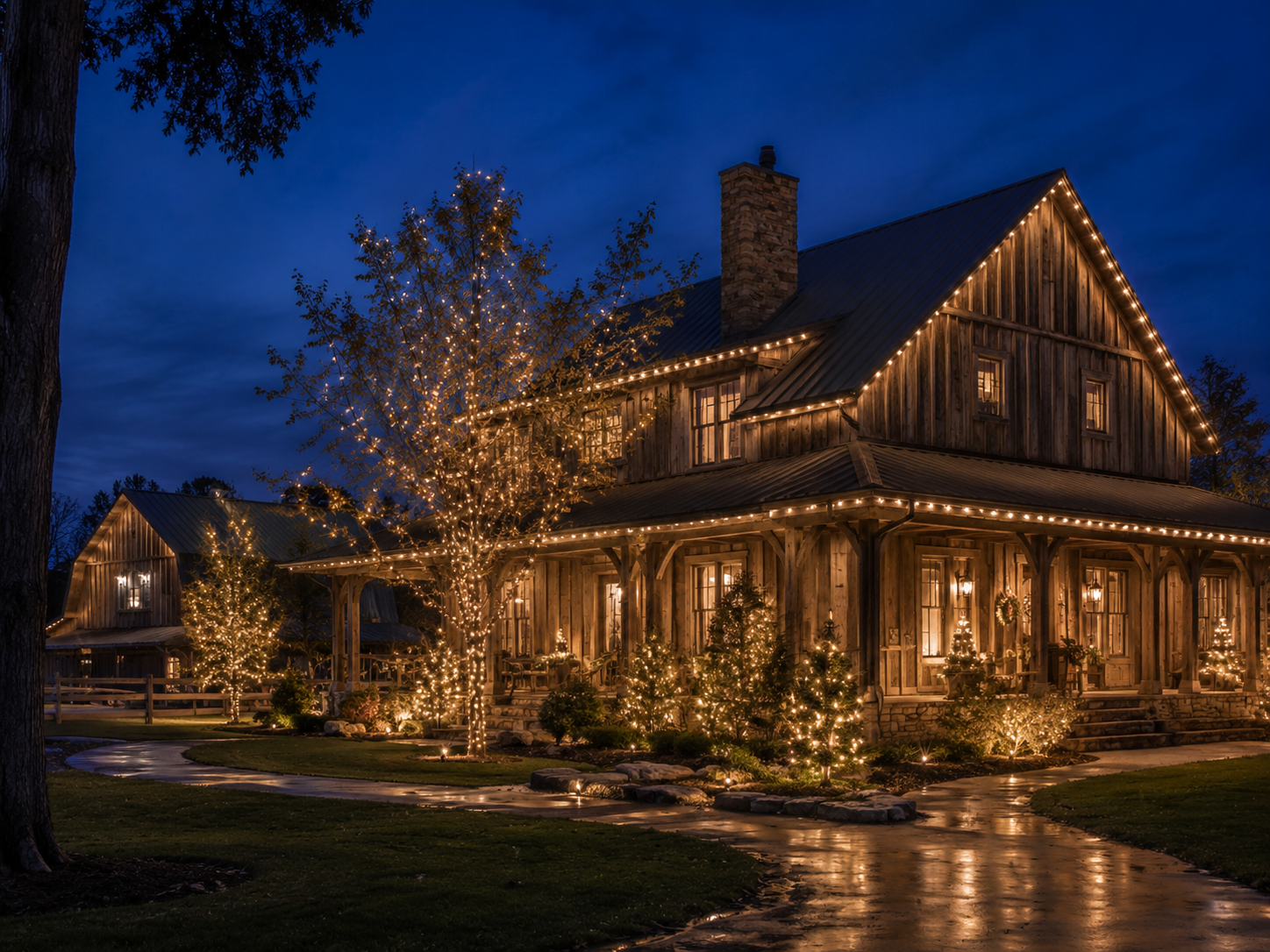
For authentically rustic homes with weathered wood siding, stone elements, and traditional farmhouse features, warm white lights are typically the best choice. The warm glow complements natural materials and creates an atmosphere of rustic warmth and authenticity. The light emphasizes texture in wood and stone, making these natural materials more visually prominent.
For farmhouse homes that blend rustic elements with modern updates—a common contemporary trend—a sophisticated approach might combine warm white as the primary light with cool white accents that highlight architectural details. This combination honors the home's rustic character while acknowledging its modern sensibilities.
Triad Christmas Lights often recommends that farmhouse homes emphasize landscape lighting and architectural features rather than overwhelming displays. Softly illuminating barns, fencing, trees, and landscape elements with warm white light creates an atmosphere of rural charm and authenticity that feels true to farmhouse character.
Craftsman and Bungalow Homes: Artisanal Warmth
Craftsman and Bungalow-style homes, with their emphasis on craftsmanship, natural materials, and artisanal details, respond beautifully to warm white lighting. These homes feature exposed beams, stone work, built-in details, and an overall philosophy that celebrates authentic, handcrafted beauty. Warm white light honors this aesthetic philosophy.
The warm glow emphasizes the craftsmanship evident in these homes' details—the quality woodwork, stone masonry, and built-in features all become more visually apparent in warm light. Rather than creating sharp shadows, warm white light showcases the skill and intentionality visible in the home's construction.
For Craftsman homes, Triad Christmas Lights typically recommends displays that emphasize the home's existing architectural details rather than imposing new design elements. Warm white lights outlining porch railings, framing built-in shelving, or highlighting natural materials create displays that feel integrated with the home's character rather than applied to it.
Mediterranean and Spanish Colonial: Warmth and Vibrancy
Mediterranean and Spanish Colonial homes present a unique opportunity for Christmas lighting because these architectural styles often feature warm earthy tones, arched elements, and a connection to sun and warmth. Warm white lights are the primary choice for these homes.
However, Mediterranean and Spanish Colonial homes often accommodate more color and vibrancy than strictly traditional American styles. While warm white should form the foundation of the display, incorporating warm-colored accent lights (soft golds, ambers, or even subtle warm reds) can complement these homes' existing aesthetic.
The arch-heavy architecture of Spanish Colonial homes particularly benefits from warm white light, which emphasizes the curves and creates shadow play that highlights architectural interest. For Mediterranean homes with stucco siding, warm white light creates flattering illumination that showcases the texture and color of the natural materials.
Triad Christmas Lights often recommends that Mediterranean homes incorporate landscape lighting prominently, as these styles naturally emphasize outdoor living spaces. Warm white light highlighting courtyard elements, fountains, or garden features extends the home's warm, inviting aesthetic throughout the entire property.

Ranch and Mid-Century Homes: Balanced Modernism
Ranch homes and mid-century homes occupy an interesting aesthetic middle ground—they're modern in origin but may have either traditional or contemporary character depending on updates and maintenance. The optimal light color depends on the home's specific style and its current aesthetic direction.
Mid-century homes with period-appropriate furnishings and original details often look beautiful with warm white lights that honor the era's aesthetic. Ranch homes that have been modernized might benefit from cool white lights that highlight contemporary updates while maintaining the home's clean, geometric lines.
A sophisticated approach for these homes might employ both colors strategically warm white for the main structure and primary features, with cool white accents highlighting specific architectural elements. This balanced approach respects the home's hybrid aesthetic.
Transitional Homes: Blending Styles
Transitional homes blend traditional and contemporary elements, creating a design challenge for Christmas lighting. These homes require careful color choices that honor both aesthetic aspects without creating visual conflict.
For transitional homes, Triad Christmas Lights often recommends a sophisticated warm white approach as the foundation, with carefully placed cool white accents that emphasize contemporary features. This strategy allows the display to feel cohesive while acknowledging both design influences.
Alternatively, some transitional homes work beautifully with entirely warm white displays that emphasize traditional features, or entirely cool white displays that highlight contemporary elements. The choice depends on which aesthetic direction the homeowner prefers to emphasize.
The Importance of Neighborhood Context
Beyond individual home style, the broader neighborhood context influences optimal light color choices. Homes in historic districts benefit from displays that contribute to neighborhood character. Homes in contemporary developments look best when light colors align with neighborhood aesthetic. Professional designers at Triad Christmas Lights consider neighborhood context as well as individual home character when recommending light colors.
Sometimes the most sophisticated design decision involves choosing a light color that feels slightly unexpected for your individual home, but creates beautiful neighborhood coherence. Alternatively, a homeowner might intentionally choose a light color that expresses personal style even if it differs from neighborhood norms. Both approaches are valid—the key is making conscious choices rather than defaulting to tradition.
Consulting Professionals for Your Home's Optimal Color
If you're uncertain about the best light color for your specific home, professional consultation is invaluable. Triad Christmas Lights offers free consultations throughout Greensboro, Winston-Salem, High Point, Kernersville, and Oak Ridge, helping homeowners understand their home's architectural character and the light colors that best complement it.
During a professional consultation, designers can show you sample visualizations of different light colors on your specific home. Seeing your actual house illuminated in different colors removes guesswork and helps you make confident decisions. Professional expertise combined with visual examples transforms light color selection from an abstract decision into something concrete and clear.

What light color works best for older, historic homes?
Warm white lights (2700K-3000K) are the optimal choice for historic and Victorian homes. This color temperature honors the period character of the architecture and complements ornate details beautifully. Warm light emphasizes craftsmanship and historical details without the harshness of cool white light. For homes in historic districts, warm white displays also contribute to neighborhood cohesion and character preservation.
Can I use cool white lights on a traditional home, or will it look wrong?
Technically you can use cool white lights on traditional homes, but it may create visual conflict with the architectural style. Cool white lights emphasize sharp lines and contemporary clarity, which can minimize the ornamental details that define traditional architecture. However, if your personal style preferences lean contemporary, cool white lights can create an intentional contrast that expresses your design sensibility. The key is making a conscious choice rather than defaulting to tradition.
What light color should I choose if my home blends traditional and contemporary styles?
Transitional homes benefit from thoughtful color choices that honor both design influences. A common approach is using warm white as the primary light with strategic cool white accents highlighting contemporary features. Alternatively, you might choose entirely warm white if you prefer to emphasize traditional character, or entirely cool white if you want to highlight modern elements. Professional consultation helps you explore options and make choices aligned with your vision.
Do Mediterranean and Spanish Colonial homes have different light color needs than other traditional styles?
Mediterranean and Spanish Colonial homes typically benefit from warm white lights, like other traditional styles. However, these architectural styles often accommodate more color and vibrancy than strictly American traditional styles. You might incorporate warm-colored accent lights (ambers, golds, or subtle warm reds) alongside warm white lights to complement the home's natural warmth and character.
How do I know if my home is "modern enough" for cool white lights?
Consider your home's architectural features: clean lines, geometric shapes, flat planes, and minimal ornamentation suggest contemporary style. Look at your home's original design intent. If the architecture emphasizes clarity and precision, cool white lights complement that vision. If your home features ornamental details, natural materials, or curved elements, warm white typically works better. Professional photos showing your home in different light colors help you make confident decisions.
Can I use different light colors on different parts of my home?
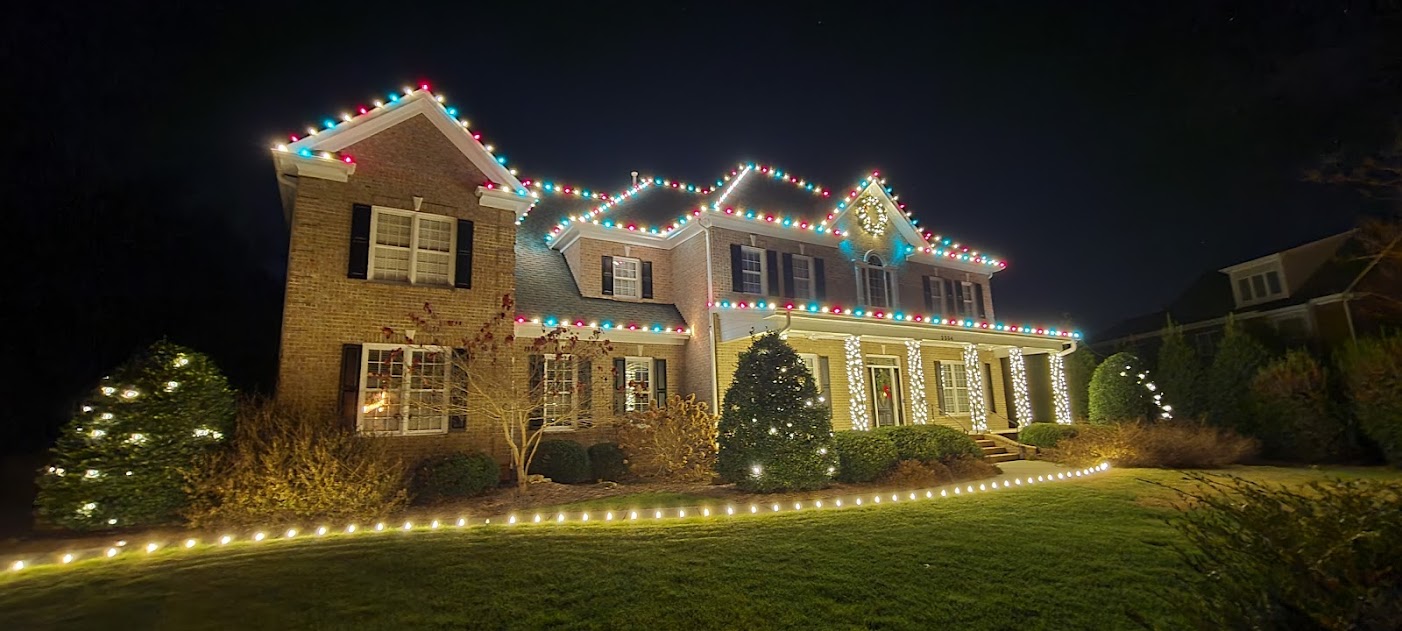
Yes, and this can be very effective when done skillfully. You might use warm white on the main residence structure and cool white accents on landscaping or architectural details. However, this technique requires professional expertise to execute without creating visual confusion. Triad Christmas Lights specializes in this kind of nuanced, multi-color design work that creates sophistication rather than chaos.
My neighborhood has mostly one light color—should I match that, or express my personal style?
Both approaches are valid depending on your goals. Matching neighborhood light color creates visual cohesion and contributes to community aesthetic. Choosing a different light color expresses personal style and can create beautiful individual expression. Consider your motivations: do you want to strengthen neighborhood character, or express personal design sensibility? Either choice is defensible—the key is making a conscious decision rather than defaulting to either conformity or contrarianism.
How do architectural elements like trim and shutters influence light color choice?
Ornamental trim, shutters, and decorative elements typically work better with warm white light that softens details and emphasizes craftsmanship. Clean, geometric architectural elements (including trim and shutters) often look better with cool white light that emphasizes precision. Consider whether your home's architectural details are primarily ornamental or primarily geometric when choosing light color.
Will changing my light color from warm to cool (or vice versa) dramatically change my home's appearance?
Yes, very dramatically. The change will be more significant than you might expect. Switching light colors will completely transform how your home looks and feels. This is why seeing sample visualizations before making a final decision is so valuable. Many people are surprised by how completely light color changes a display's appearance and emotional impact.
If I'm not sure about the best light color for my home, what should I do?
Contact Triad Christmas Lights for a free consultation. Professionals can assess your home's architectural style, discuss your personal preferences, and show you sample visualizations of different light colors on your specific property. This removes guesswork and helps you make confident decisions that you'll feel great about throughout the season.
